
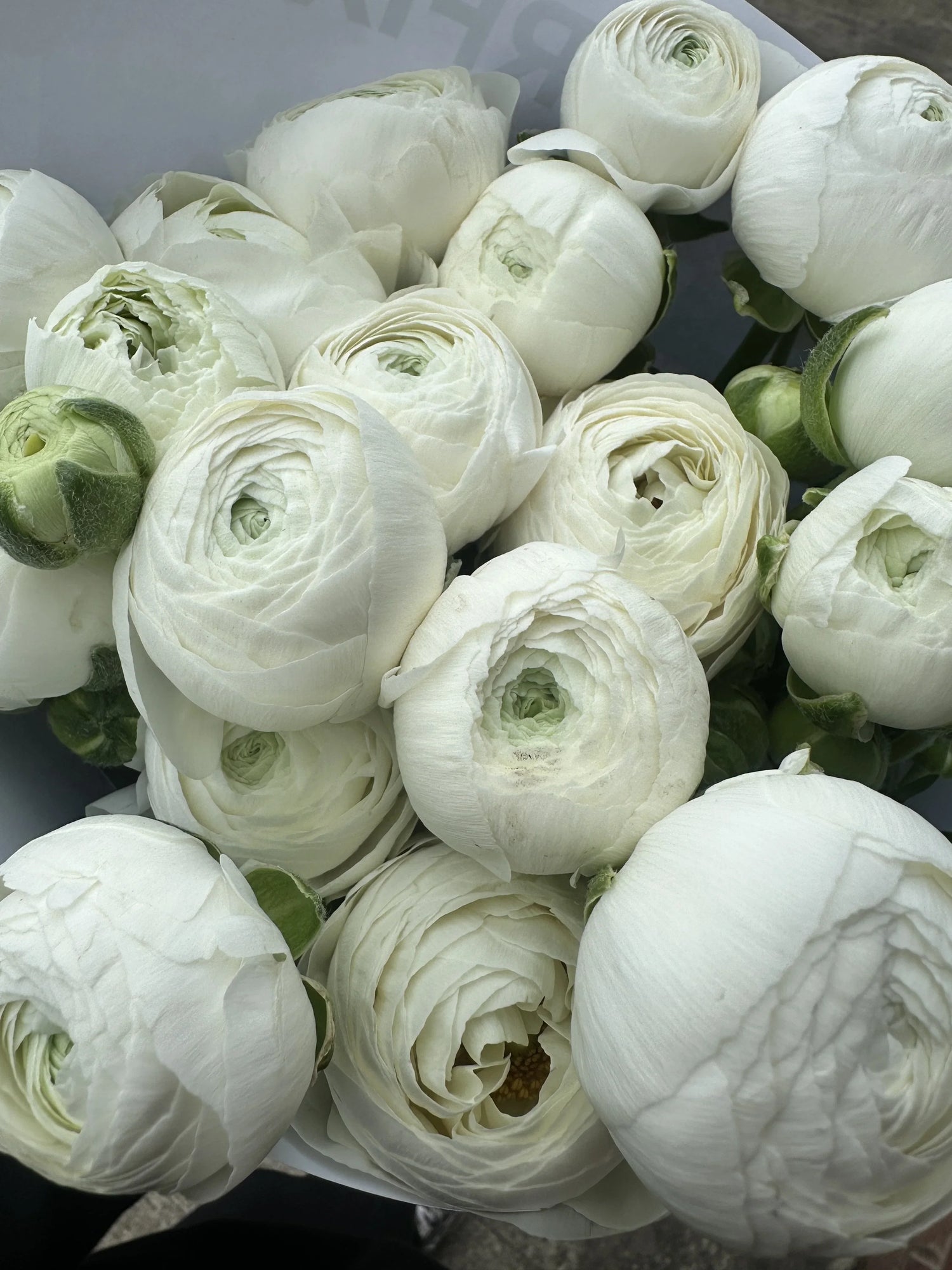
British summers have a habit of catching us off guard. One day it's grey and drizzly, the next we're being told to stay indoors and avoid unnecessary travel with MET Office Warnings. And while you're busy hunting down an electric fan and digging the paddling pool out of the loft, your flowers are quietly wilting on the windowsill.
The good news is that keeping a bouquet looking gorgeous during a heatwave isn't complicated. A few small habits, done consistently, can easily add a week to the life of your flowers. Here's exactly what to do.
Why do flowers struggle when it's hot?
Cut flowers lose water through their petals constantly and in hot weather, that process speeds up dramatically. At the same time, warm water is the perfect breeding ground for bacteria, which clog the stems and stop water from reaching the blooms. The result is what most of us have seen: flowers that look wilted after a sunny day, even when the vase is still full of water.
So, if you're lucky enough to receive a fabulous bouquet of flowers this heatwave, just refer to this quick 3 minute guide.
Top up the water morning and evening
In normal weather, checking your vase every couple of days is fine. In a heatwave, that's not enough. Water evaporates quickly in the heat and gets warmer too. Get into the habit of topping it up with cool water twice a day. it takes about ten seconds and makes the biggest difference.
Change the water every day
Whilst, you're topping up throughout the day, you still need to change the water. Every day, empty the vase completely, give it a quick rinse, and refill with fresh cool water. This removes the bacteria that build up in warm conditions and keeps your stems clear so water can actually reach the petals. It sounds like effort, but once you do it the first time, it becomes second nature.
Don't forget the flower food
Generally florist bouquets will come with a small sachet of flower food, and it genuinely works. It contains sugars to feed the flowers, plus ingredients that slow bacterial growth in the water. Add it when you first fill the vase, and add more each time you change the water. If you've run out, your local florist will usually have sachets, or you can find them easily online. Browse our summer flowers collection if you're looking to treat someone (or yourself) to a fresh heatwave-ready bouquet.
Keep them away from the window
This one surprises people. Surely flowers like sunlight? For cut flowers, no, they don't need it. They get everything they need from the water, not from photosynthesis. Direct sunlight heats the vase water, cooks the stems, and fades the petals fast. South-facing windowsills and conservatories are the worst possible spots in a heatwave. Move your flowers to somewhere cool instead.
Re-cut the stems when you change the water
Each time you change the water, trim about 2cm off the bottom of each stem at a 45-degree angle. This opens up a fresh surface for water absorption. Stems that have been sitting in water develop a seal at the base over time, which blocks the uptake where a fresh cut solves it immediately. Use sharp scissors or a knife, and do it under running water if you can.
Pull out the fading flowers
Some flowers will go before others, that's completely normal. Don't leave a wilting stem in the vase, though, because it releases bacteria into the water that speeds up the decline of everything around it. Check your bouquet daily and remove anything that's past its best.
Give them room to breathe
A vase with a wider neck allows air to circulate around the stems, which helps in hot conditions. If you've only got a narrow vase, try splitting the bouquet across two containers, it reduces overcrowding, improves airflow, and can actually make your flowers look more styled.
Move them somewhere cool overnight
Professional florists keep their flowers refrigerated. If your home gets very warm overnight during a heatwave, move your flowers to the coolest area before bed. A north-facing room, a hallway, or even a bathroom can be significantly cooler than a living room. Even a few hours at a lower temperature helps the flowers recover and slows the ageing process.
Typically your flower care is more or less the same, but the key thing is more regular maintenance. Chore, maybe, but beautiful flowers in the home is unmatched.
Which flowers cope best in hot weather?
Some flowers are better suited to warm conditions than others. If you're ordering during a heatwave or buying for someone whose home gets very warm, these are the ones to go for:
Sunflowers, practically built for the heat, with thick stems and petals that hold up beautifully in warm conditions.
Alstroemeria, incredibly long-lasting, robust petals, and one of the most reliable choices when temperatures rise.
Gerberas, bright, cheerful, and surprisingly tough. A great summer choice.
Chrysanthemums, one of the most heat-tolerant cut flowers you can buy. They last well even without perfect conditions.
Carnations, underrated and extremely hardy. A good practical choice for hot homes.
If you'd like to send flowers that will actually last through the heat, take a look at our hand-tied bouquets, every one is made fresh by a local florist, stem by stem.
Flowers to handle with extra care in the heat:
Roses, beautiful but sensitive. Keep them away from any direct sun and change the water daily if possible. Our roses collection includes varieties that travel and keep particularly well.
Tulips, they wilt quickly in warm rooms. Keep them in the coolest spot you have.
Hydrangeas, thirsty flowers that need frequent water changes and struggle in heat without attention.
Peonies, stunning, but they need cool conditions to last. Worth the extra care though.
My flowers have already wilted, is it too late?
Not necessarily. Wilting is often a temporary response to dehydration, not permanent damage. Before you throw them out, try this:
Remove the flowers from the vase and re-cut the stems at an angle. Fill the vase with fresh cool water and a sachet of flower food. Move them to the coolest room in the house. Mist the petals and leaves lightly. Leave them for two to four hours or overnight if you can.
Many flowers will revive significantly with this treatment. If the petals are turning brown at the edges or the stems feel slimy, they've likely had it, but it's always worth trying first.
Order fresh flowers, delivered by an expert florist
Every bouquet from FLOWERFIX is made by hand by a skilled florists using the freshest stems cut daily. Whether you're treating yourself to something that'll brighten a warm summer evening, or sending flowers to someone special, our florists know exactly how to put together an arrangement built to last.


Leave a comment
This site is protected by hCaptcha and the hCaptcha Privacy Policy and Terms of Service apply.