
Hypericum Berries
Hypericum berries are one of the most versatile and visually striking elements in floristry. Clusters of small, round berries on woody stems, they add texture, colour, and a sense of natural abundance to any arrangement. They are not a flower in the traditional sense, but they are an essential component of premium bouquets and one of the most requested stems by florists working on autumn and winter arrangements.
What each hypericum berry colour means and when to use them
Red hypericum berries are the most widely used variety. They add warmth, richness, and a festive quality to arrangements and are particularly popular in Christmas flowers, autumn bouquets, and romantic arrangements. Their deep red tone complements roses, carnations, and dahlias beautifully.
White and cream hypericum berries have a clean, elegant quality that works beautifully in wedding flowers, sympathy arrangements, and any bouquet where a neutral, sophisticated palette is the goal. They add texture without adding colour, which makes them exceptionally versatile.
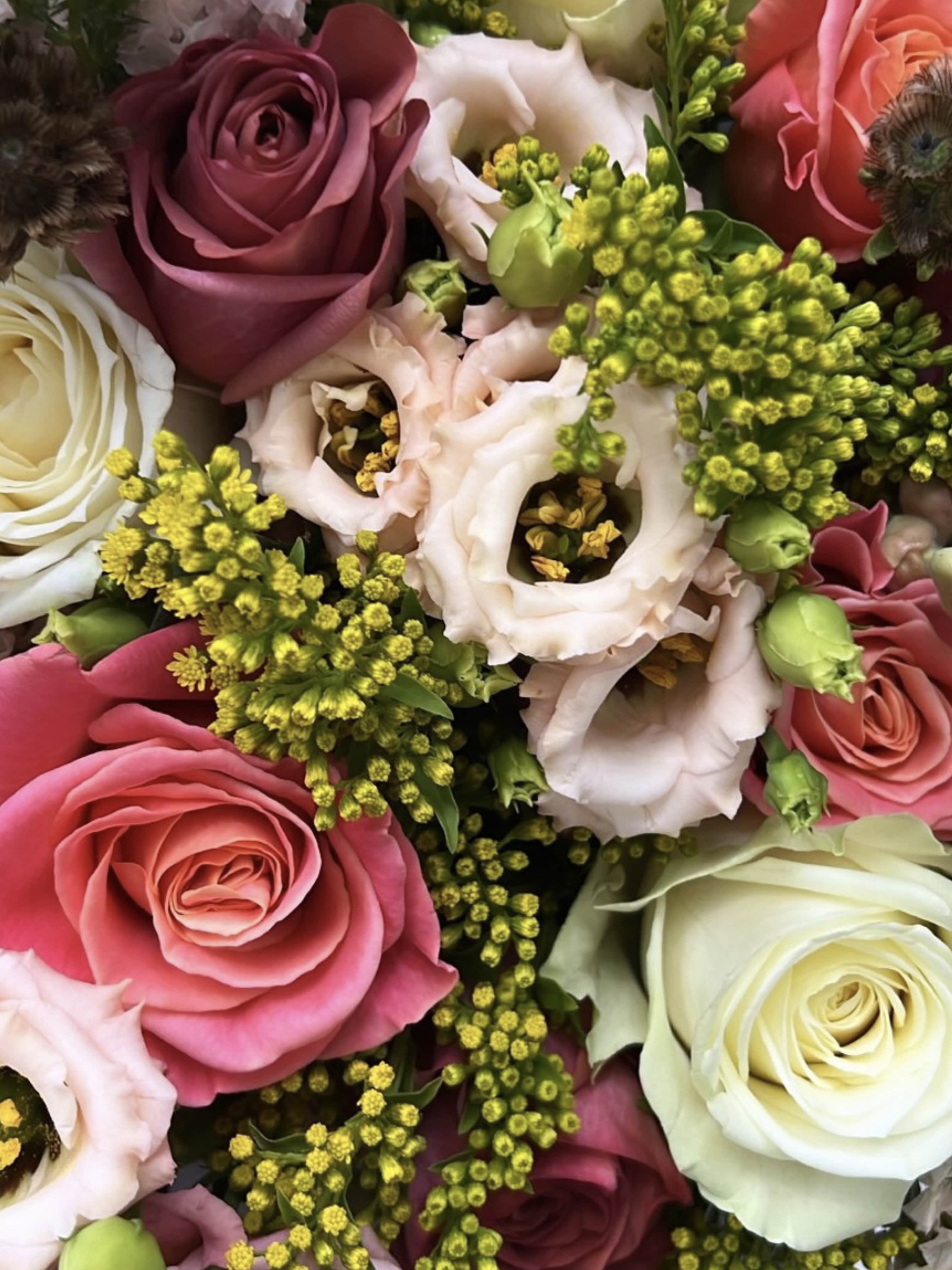
Pink hypericum berries are a softer, more romantic option. They complement blush roses, lisianthus, and peonies and are a popular choice for Mother's Day and birthday arrangements.
Green hypericum berries, harvested before they ripen, have a fresh, natural quality that adds a garden-picked feel to arrangements. They are widely used in spring and summer bouquets.
In the language of flowers, hypericum is associated with protection, good health, and happiness, a reflection of its long history as a medicinal herb. St John's Wort, the medicinal plant, is a species of hypericum, which gives the berries an additional layer of meaning for those who know the connection.
How long do hypericum berries last
Hypericum berries are among the longer-lasting elements in a cut flower arrangement. With proper care, they typically last between ten and fourteen days. Their woody stems and robust berries hold up well even as softer flowers in the same arrangement begin to fade.
This staying power makes hypericum berries particularly valuable in mixed arrangements, where they continue to provide structure and colour long after more delicate stems have been removed.
How to care for them
Trim the stems at a 45-degree angle on arrival. Because hypericum has woody stems, you may need to use sharp scissors or secateurs rather than a standard knife. Place them in a clean vase with fresh, cool water and remove any leaves that would sit below the waterline.
Change the water every two to three days and re-trim the stems each time. Keep hypericum berries away from direct sunlight and heat. If any berries begin to shrivel or drop, remove that section of the stem to keep the arrangement looking fresh.
Are hypericum berries safe for cats and dogs
No. Hypericum berries are toxic to cats and dogs. Ingestion can cause vomiting, diarrhoea, and in larger quantities, more serious symptoms. They should be kept well out of reach of pets at all times.
If you are sending flowers to a household with pets, ask your florist to substitute hypericum berries with a pet-safe textural element such as waxflower or statice.
When to use hypericum berries in arrangements
Hypericum berries are available year-round but are at their most popular in autumn and winter, when their rich, warm tones complement the seasonal palette perfectly. They are a staple of Christmas flower arrangements and autumn bouquets across the UK.
Red hypericum berries are a natural choice for festive arrangements, romantic autumn bouquets, and any occasion where you want to add warmth and richness. White and cream varieties are ideal for wedding flowers and sympathy arrangements. Pink varieties work beautifully in spring and summer gifting bouquets.
If you want an arrangement that looks genuinely full and considered rather than sparse, hypericum berries are one of the most impactful and long-lasting textural choices a florist can reach for.
Shop arrangements that include hypericum berries
Our florist's choice bouquet is designed weekly and features seasonal stems including hypericum berries during the autumn and winter months. Available with free UK delivery from £34.
Related guides:
Flowers for all occasions and homes



FAQ's
Everything you need to know about your flower delivery in easy to digest snapshots.