
Snowdrop
Snowdrops are one of the most beloved and symbolically powerful flowers in British culture. Their tiny, nodding white bells pushing through frozen ground in the depths of winter carry a message that resonates deeply: hope is coming. They are the first flower of the year in the UK, often appearing as early as January, and their arrival is one of the most anticipated moments in the natural calendar. Small in size, they are enormous in meaning.
What snowdrops mean and when to gift them
Snowdrops represent hope, purity, and consolation. In the language of flowers, they carry the message: I will always be there for you. They are one of the most meaningful flowers you can send to someone going through a difficult time, carrying a quiet but powerful message of support and the promise that things will improve.
They are also associated with new beginnings and the courage to face what lies ahead. Sending snowdrops at the start of a new year, a new chapter, or a new challenge is a gesture with genuine depth and thoughtfulness behind it.
In Christian tradition, snowdrops are associated with Candlemas on 2nd February and with the Virgin Mary, which gives them an additional layer of meaning around purity and spiritual hope. They are sometimes called the flower of hope for this reason.
Snowdrops are the birth flower for January, making them a particularly meaningful choice for winter birthday bouquets.
How long do snowdrops last
Snowdrops are a delicate cut flower and typically last between three and five days in a vase. Their short vase life is part of what makes them so precious. They are a flower to be appreciated in the moment rather than expected to endure. In a cool room, they will last at the longer end of this range.
Snowdrops are more commonly enjoyed as potted bulbs than as cut stems, as potted snowdrops last significantly longer and can be planted in the garden after flowering, where they will naturalise and return year after year.
How to care for them
Trim the stems at a 45-degree angle on arrival and place them in a clean vase with a small amount of fresh, cool water. Snowdrops prefer shallow water. Keep them in the coolest room available, away from any heat sources, direct sunlight, and draughts.
Change the water daily and re-trim the stems each time. Snowdrops are at their best in cool, stable conditions that mimic the cold ground they grow in naturally. A cool windowsill away from direct sun is ideal.
Are snowdrops safe for cats and dogs
No. Snowdrops are toxic to both cats and dogs. They contain galantamine and other alkaloids that can cause vomiting, diarrhoea, and in larger quantities, more serious symptoms. All parts of the plant are toxic, including the bulb. They should be kept well out of reach of pets.
If you need a small, delicate white flower that is safe for pets, waxflower is a good alternative and is non-toxic to cats and dogs.
When to send snowdrops
Snowdrops have a very short seasonal window in the UK, typically available between January and February. Their rarity as a cut flower makes them feel genuinely special when they arrive. They are a natural choice for January birthdays, where they are the birth flower, and for anyone who appreciates the quiet beauty of the natural world in winter.
Send snowdrops to someone going through a difficult time as a gesture of hope and support. Send them for January birthdays as a meaningful and seasonal choice. Send them at the start of a new year or a new chapter as a symbol of hope and new beginnings.
Snowdrops are the January birth flower. For anyone born in January who appreciates that their birth month has its own flower, snowdrops are the most personal and seasonal gift you can send.
Shop our seasonal winter arrangements
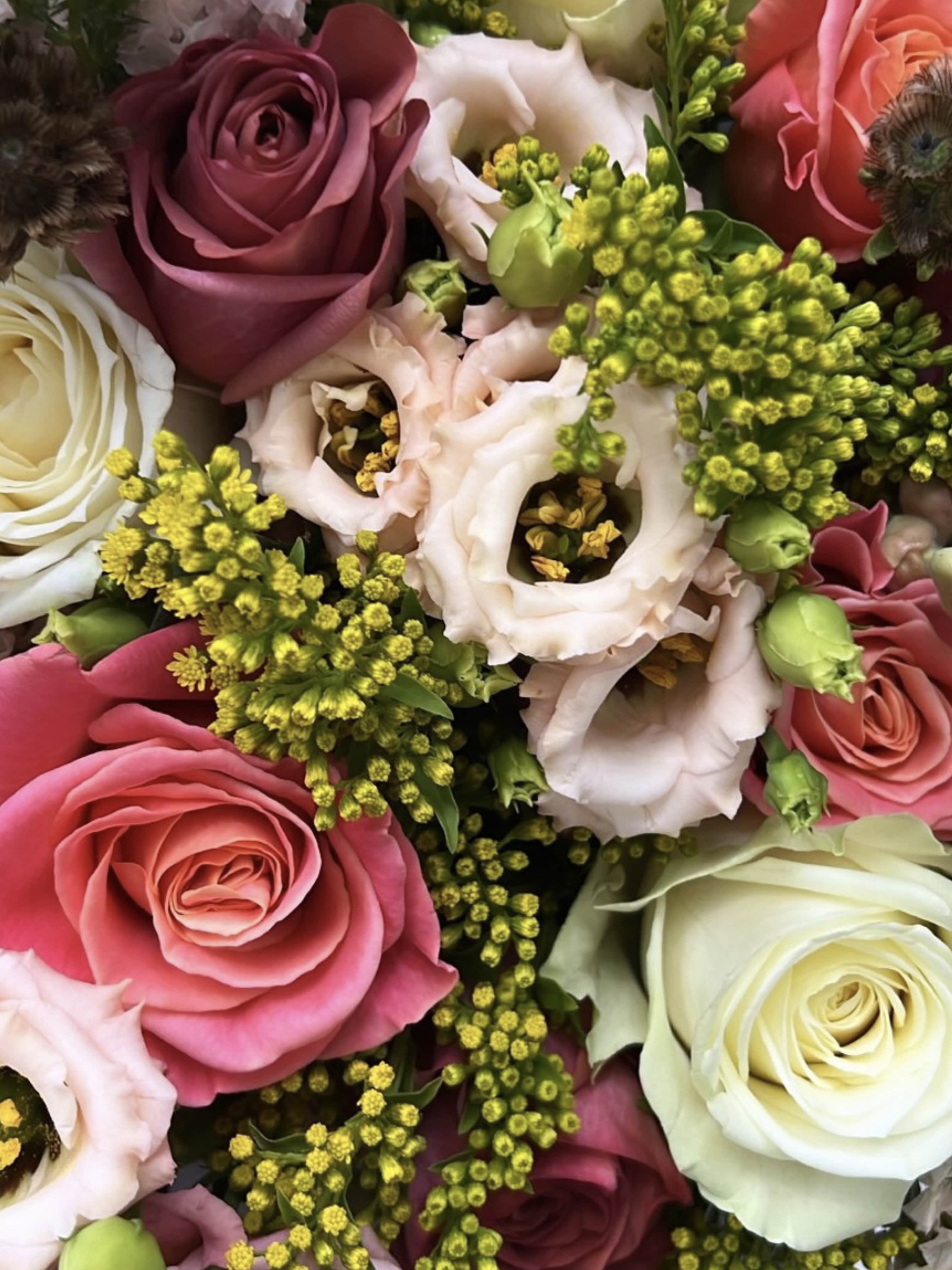
Our florist's choice bouquet features seasonal stems throughout the year. Available with free UK delivery from £34.
Related guides:
Flowers for all occasions and homes



FAQ's
Everything you need to know about your flower delivery in easy to digest snapshots.