
Flowers Toxic to House Pets: What to Avoid
Flowers are one of the most common sources of accidental pet poisoning in UK homes. Most people know to keep chocolate away from dogs, but far fewer know that a single lily petal can cause fatal kidney failure in a cat, that daffodil stems release sap that is dangerous to dogs, or that hyacinths are toxic to rabbits. This guide covers every common flower that poses a risk to house pets, how serious each risk is, and what to do if your pet ingests something they should not have.
If you have a pet at home and you regularly receive or buy flowers, this page is worth bookmarking.
Emergency contacts for pet poisoning in the UK
Animal PoisonLine: 01202 509000 (24 hours, 7 days a week)
If your pet has ingested a lily or any flower you cannot identify, call this number immediately and do not wait for symptoms to appear.
The master toxic flower list: all common house pet species
The table below covers cats, dogs, rabbits, and pet birds. Toxicity ratings reflect severity of known reactions: High means potentially life-threatening; Moderate means significant illness likely; Low means mild upset likely but rarely serious.
| Flower | Cats | Dogs | Rabbits | Birds | Notes |
|---|---|---|---|---|---|
| Lilies (all true Lilium species) | FATAL | MODERATE | HIGH | HIGH | Fatal kidney failure in cats. Every part including pollen and vase water is toxic. Treat any exposure as an emergency. |
| Day Lilies (Hemerocallis) | FATAL | LOW | HIGH | MODERATE | Same kidney failure risk as true lilies in cats. Not a Lilium but equally dangerous. Common in gardens. |
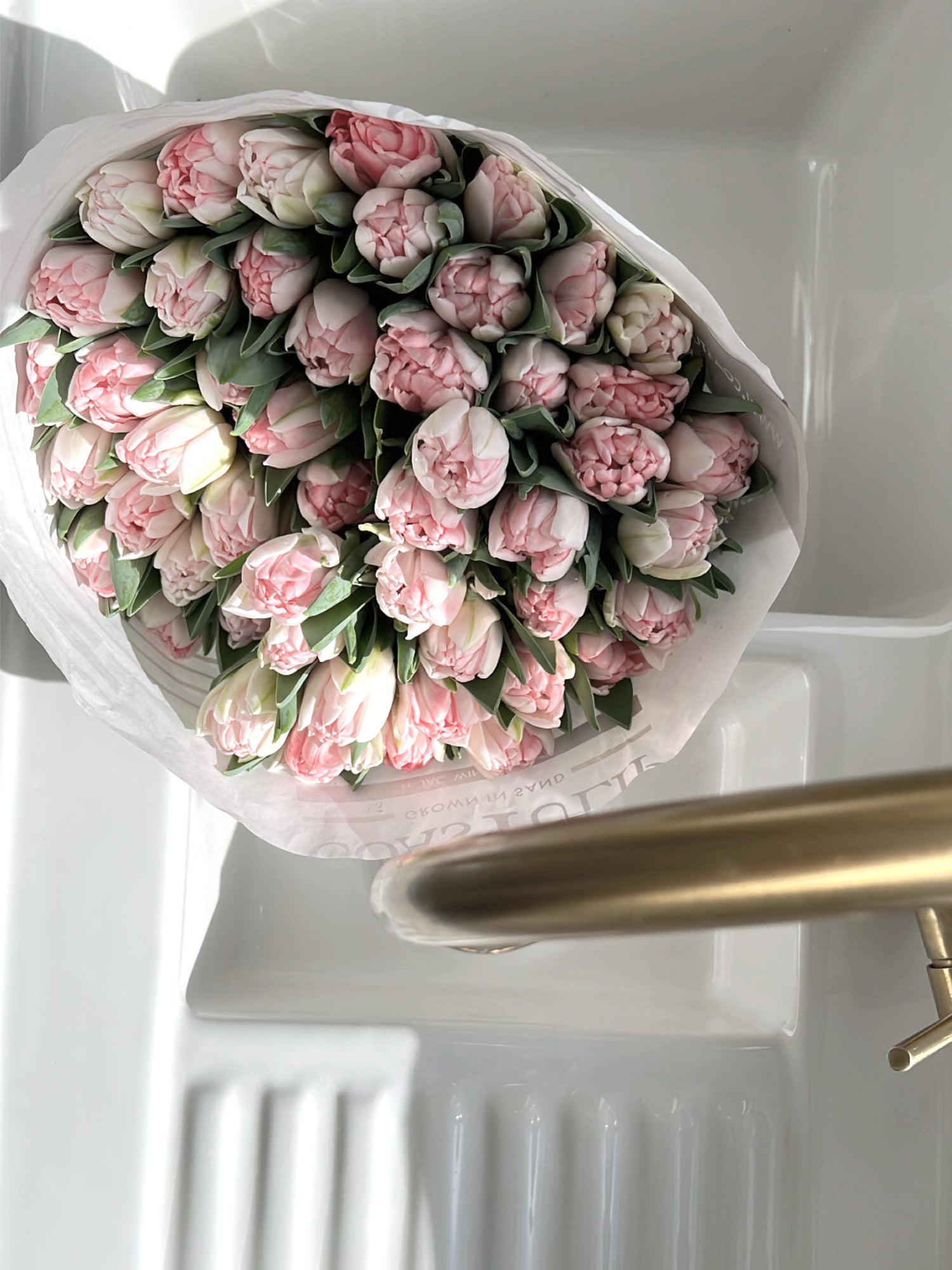
| Tulips | HIGH | HIGH | HIGH | MODERATE | Toxins concentrated in the bulb but present throughout. Extremely common in UK spring bouquets January to June. |
| Daffodils | HIGH | HIGH | HIGH | HIGH | Lycorine and calcium oxalate throughout. Stem sap causes skin irritation. Cardiac effects in severe cases. |
| Hyacinths | MODERATE | MODERATE | HIGH | MODERATE | Bulbs most toxic. Vomiting, diarrhoea, tremors. Particularly dangerous to rabbits. Common in spring arrangements. |
| Chrysanthemums | MODERATE | MODERATE | MODERATE | MODERATE | Contain pyrethrins. Found in the majority of UK supermarket bouquets year-round. Causes vomiting and drooling. |
| Gypsophila (baby's breath) | MODERATE | MODERATE | MODERATE | LOW | The most common filler in supermarket bouquets. Saponin content causes GI upset. Used in almost all budget arrangements. |
| Hydrangeas | MODERATE | MODERATE | MODERATE | MODERATE | Contain cyanogenic glycosides. Vomiting, diarrhoea, lethargy. Popular in summer arrangements. |
| Peonies | MODERATE | MODERATE | MODERATE | LOW | Contain paeonol. GI upset in cats and dogs. In season May to July. Display out of reach of pets that chew. |
| Ranunculus | MODERATE | MODERATE | MODERATE | MODERATE | Contain protoanemonin. Drooling, vomiting, skin irritation. Popular in luxury spring and winter bouquets. |
| Lily of the Valley | HIGH | HIGH | HIGH | HIGH | Highly toxic cardiac glycosides. Can cause heart rhythm disturbances in all species. Treat as an emergency. |
| Iris | MODERATE | MODERATE | MODERATE | LOW | Irisin in rhizomes and leaves. Vomiting, salivation, lethargy. Keep out of reach of all pets. |
| Sweet Peas | MODERATE | MODERATE | HIGH | MODERATE | Lathyrogens cause weakness and potential paralysis in large quantities. Particularly risky for rabbits. |
| Delphiniums | HIGH | HIGH | HIGH | HIGH | Highly toxic alkaloids throughout. Potentially fatal in large doses. Keep away from all pets. |
| Snowdrops | MODERATE | MODERATE | MODERATE | LOW | Galantamine and phenanthridine alkaloids. Vomiting, diarrhoea, lethargy. All parts toxic including bulb. |
Lilies: the most dangerous flower for cats
Lily poisoning deserves its own section because the risk is categorically different from every other flower on this list. True lilies and day lilies cause acute kidney failure in cats, and the window for successful treatment is extremely narrow.
Every part of a lily is toxic to cats. The petals, leaves, stem, roots, pollen, and the water in the vase all contain the nephrotoxic compounds responsible. A cat can develop kidney failure from grooming pollen off its coat. A cat can develop kidney failure from drinking water a lily has been standing in. There is no safe amount of exposure.
If your cat has been exposed to a lily of any kind, call a vet immediately. Do not wait for symptoms.
Treatment within 6 hours of exposure gives the best chance of full recovery. Waiting for symptoms significantly worsens the prognosis.
Animal PoisonLine: 01202 509000 (24 hours, 7 days)
Pollen-free lilies are sometimes marketed as safer for cat households. They are not safer. Removing the stamens reduces one route of exposure but does not affect the toxicity of the petals, leaves, stem, or vase water. The unanimous advice from International Cat Care, the PDSA, the RSPCA, and the Veterinary Poisons Information Service is the same: if you have a cat, do not bring any lily into your home under any circumstances.
Toxic flowers for rabbits
Rabbits are herbivores and will eat almost anything plant-based given the opportunity. This makes them more vulnerable to toxic flowers than cats or dogs, who are less likely to actively seek out plant material. Daffodils, hyacinths, tulips, lily of the valley, delphiniums, and sweet peas all represent serious risks to rabbits. Because rabbits are small, even a modest amount of ingestion can cause rapid and severe illness.
Safe flowers for rabbits are more limited than for cats and dogs. Roses, sunflowers, and marigolds are generally considered safe. If you keep rabbits and want to display cut flowers in the same space, keeping all arrangements entirely out of reach is the safest approach.
Toxic flowers for pet birds
Pet birds including parrots, budgerigars, cockatiels, and canaries are sensitive to many of the same compounds that affect cats and dogs, but their smaller size means even minor exposure can cause serious illness quickly. Lilies, daffodils, delphiniums, and lily of the valley all pose significant risks to birds.
Birds are also sensitive to aromatic compounds in some flowers that cause no apparent symptoms in larger animals. The safest approach with birds is to keep all cut flowers in rooms the bird cannot access, and to ensure the room is well ventilated when flowers are present.
The most dangerous time of year for pet poisoning
Spring is the highest-risk period for flower-related pet poisoning in UK homes. Lilies, tulips, daffodils, and hyacinths are all at their most abundant between February and May. Mother's Day, Easter, and general spring gifting drive significant volumes of these flowers into UK homes, often as gifts rather than deliberate purchases. If you are sending flowers to someone with pets, choose a florist who designs pet-safe bouquets from the ground up.
FlowerFix pet safe bouquets are guaranteed lily-free
Every bouquet in our pet safe collection is verified non-toxic to cats and dogs. Lily-free, gypsophila-free, florist-checked every week. Free UK delivery included.
Shop pet safe flowersWhat to do if your pet ingests a toxic flower
Act quickly and do not wait for symptoms. Remove the flower from reach immediately. Photograph the flower and note its full name. Call Animal PoisonLine on 01202 509000 or your emergency vet. Give them the flower name, your pet's species and approximate weight, the estimated amount ingested, and the time of ingestion. Follow their instructions precisely. Do not attempt to induce vomiting without veterinary guidance.
For lily exposure in cats: do not wait. Call a vet immediately and get to an emergency practice as quickly as possible.
Frequently asked questions
Are lilies toxic to cats?
Yes. Lilies are fatally toxic to cats. All true lily species and day lilies cause acute kidney failure in cats. Every part of the plant is toxic including the pollen and vase water. There is no safe level of exposure. Call Animal PoisonLine on 01202 509000 or an emergency vet immediately. Treatment within six hours gives the best chance of a full recovery.
Are tulips toxic to dogs?
Yes. Tulips are toxic to dogs. The toxins are concentrated in the bulb but present throughout the whole plant. Ingestion causes vomiting, drooling, depression, and laboured breathing. Treat all parts as unsafe.
Are daffodils dangerous to pets?
Yes. Daffodils are toxic to cats, dogs, rabbits, and birds. They contain lycorine and calcium oxalate crystals throughout, with the bulb being the most toxic part. In serious cases, ingestion causes cardiac arrhythmia. Keep daffodils entirely out of reach of all pets.
Are peonies safe for cats?
No. Peonies are mildly toxic to cats and dogs. They contain paeonol which causes vomiting and diarrhoea if ingested. They are not in the same danger category as lilies but should be kept out of reach of pets that chew plants.
Is baby's breath toxic to cats?
Yes. Gypsophila (baby's breath) is mildly toxic to cats and dogs. It contains saponins which cause vomiting and digestive upset. It is not in the same danger category as lilies but should be kept out of reach. Waxflower and statice are non-toxic alternatives with a similar texture.
Related guides
Flowers Safe for Cats: The Complete UK Guide
Flowers Safe for Dogs: The Complete UK Guide
The Complete Guide to Pet-Safe Flowers UK
Flowers for all occasions and homes



FAQ's
Everything you need to know about your flower delivery in easy to digest snapshots.