
Pet Safety Flower Tool
What Flowers are safe for pets?
Can I have flowers in my house with a pet? Absolutely. What flowers should I avoid with pets? You're in the right place. We've developed a simple tool that check every flower type used in UK bouquets.
Is this bouquet safe around pets?
Search any flower by name and we'll tell you instantly whether it's safe to have at home with cats or dogs.
The verified pet-safe flower collection
Shop toxic-free flowers for households with dogs and cats
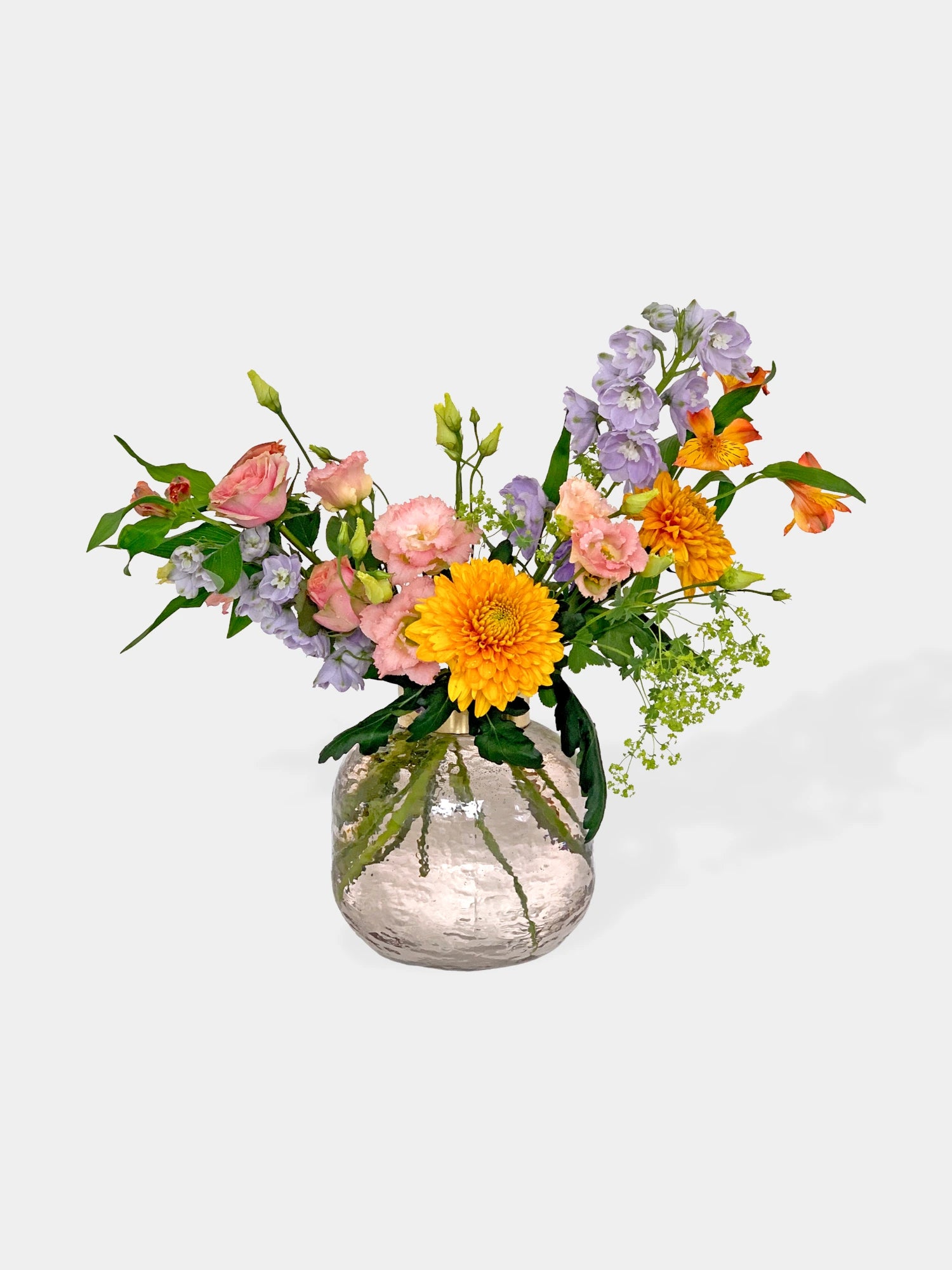
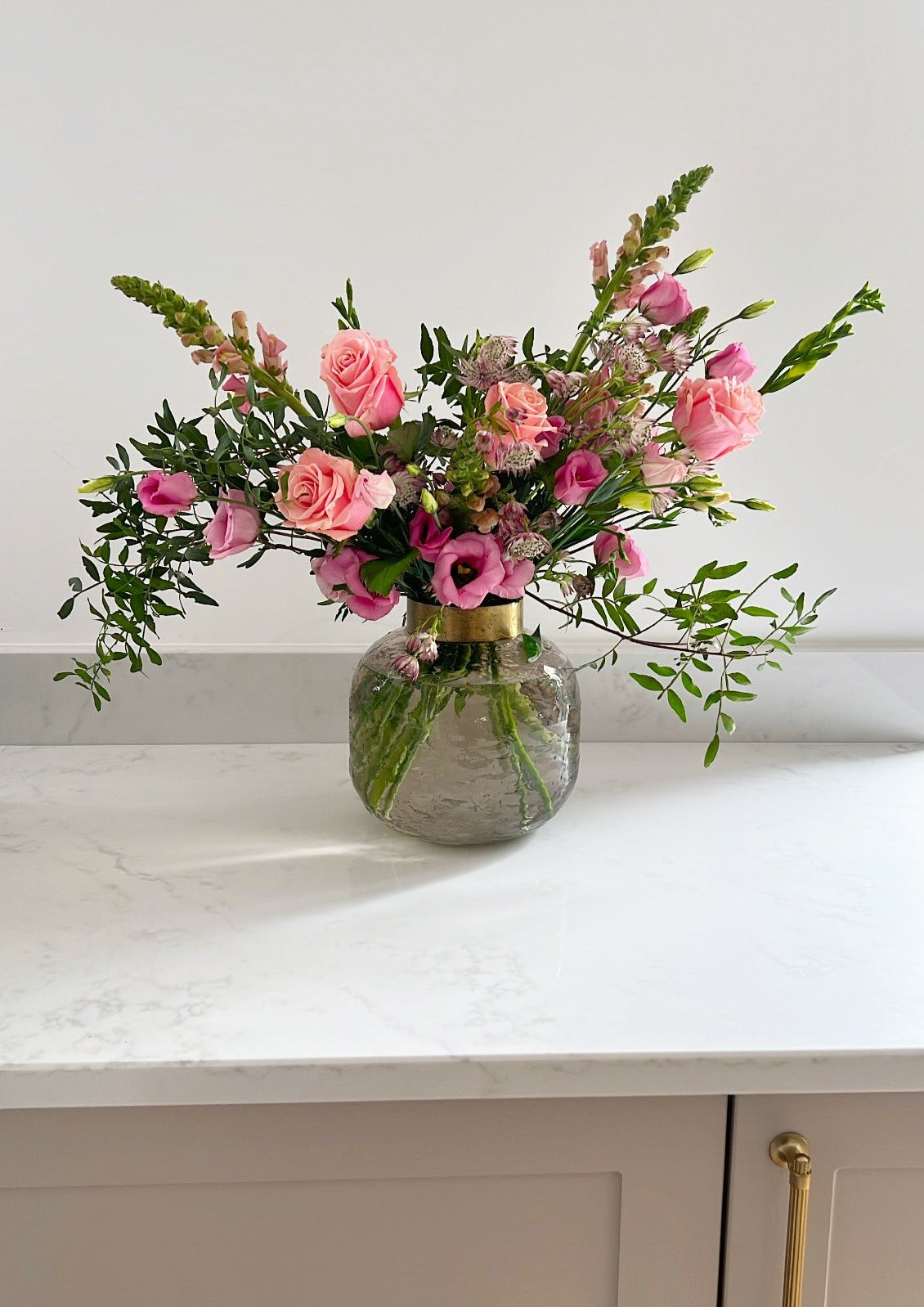
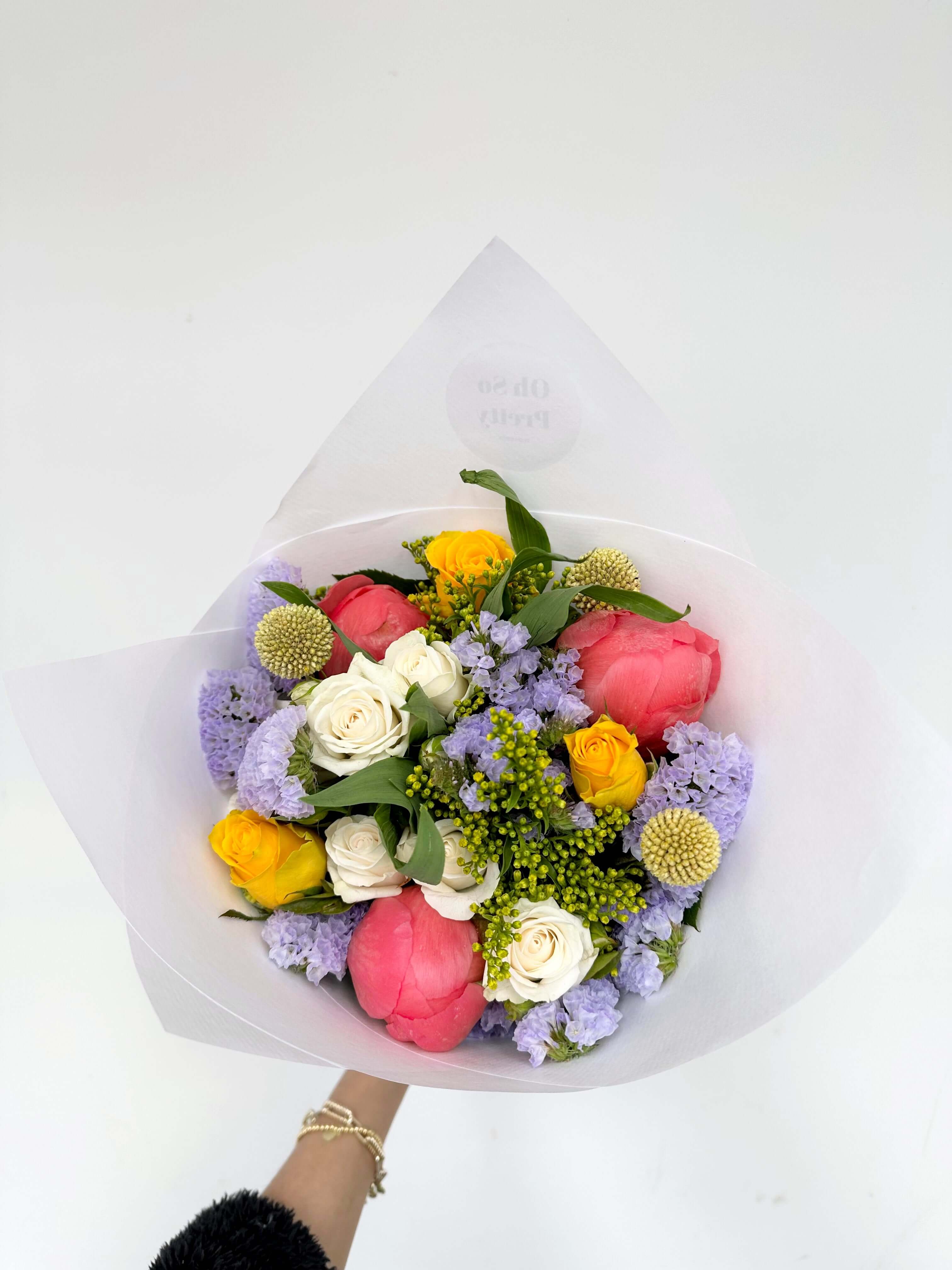

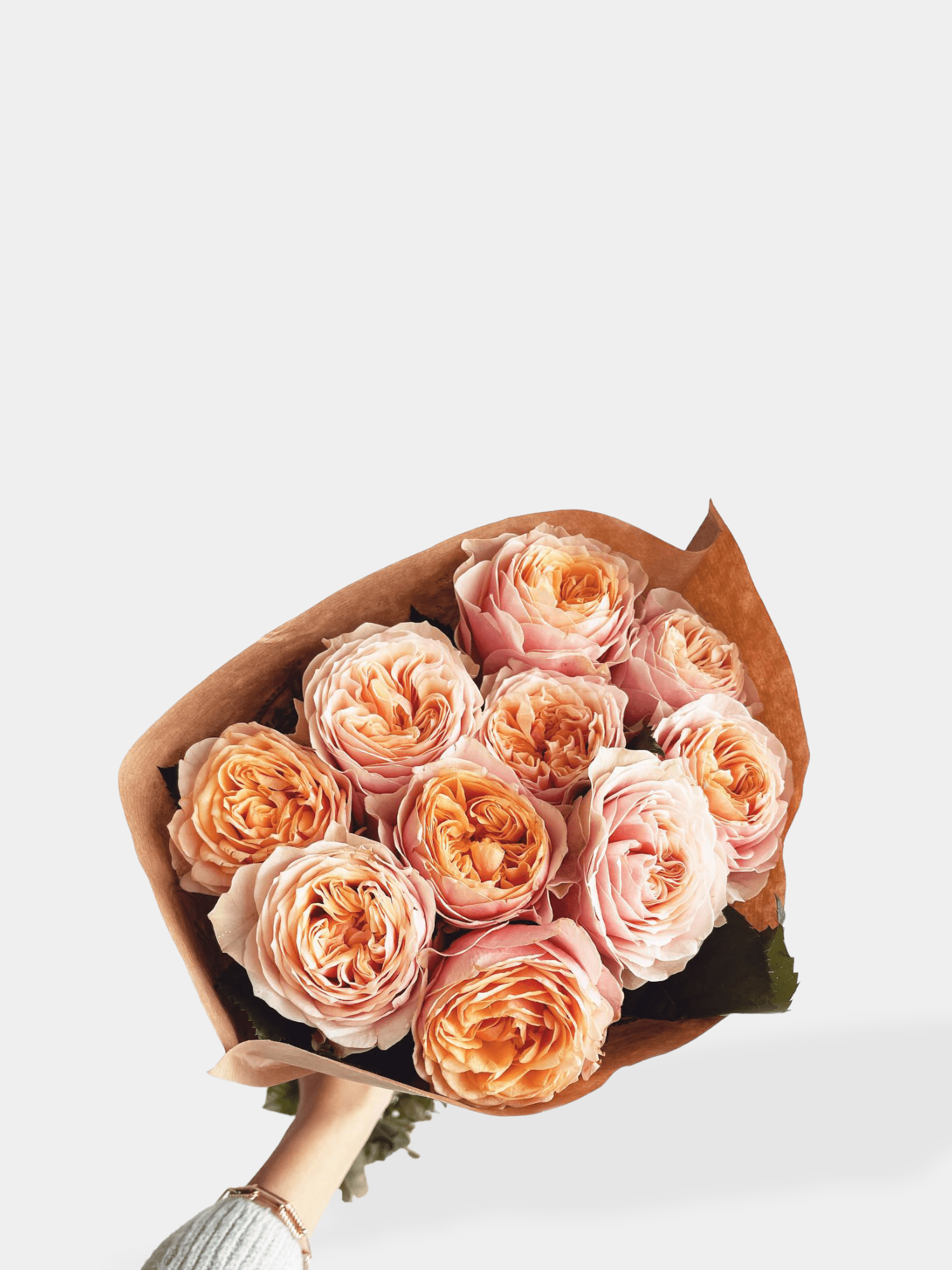

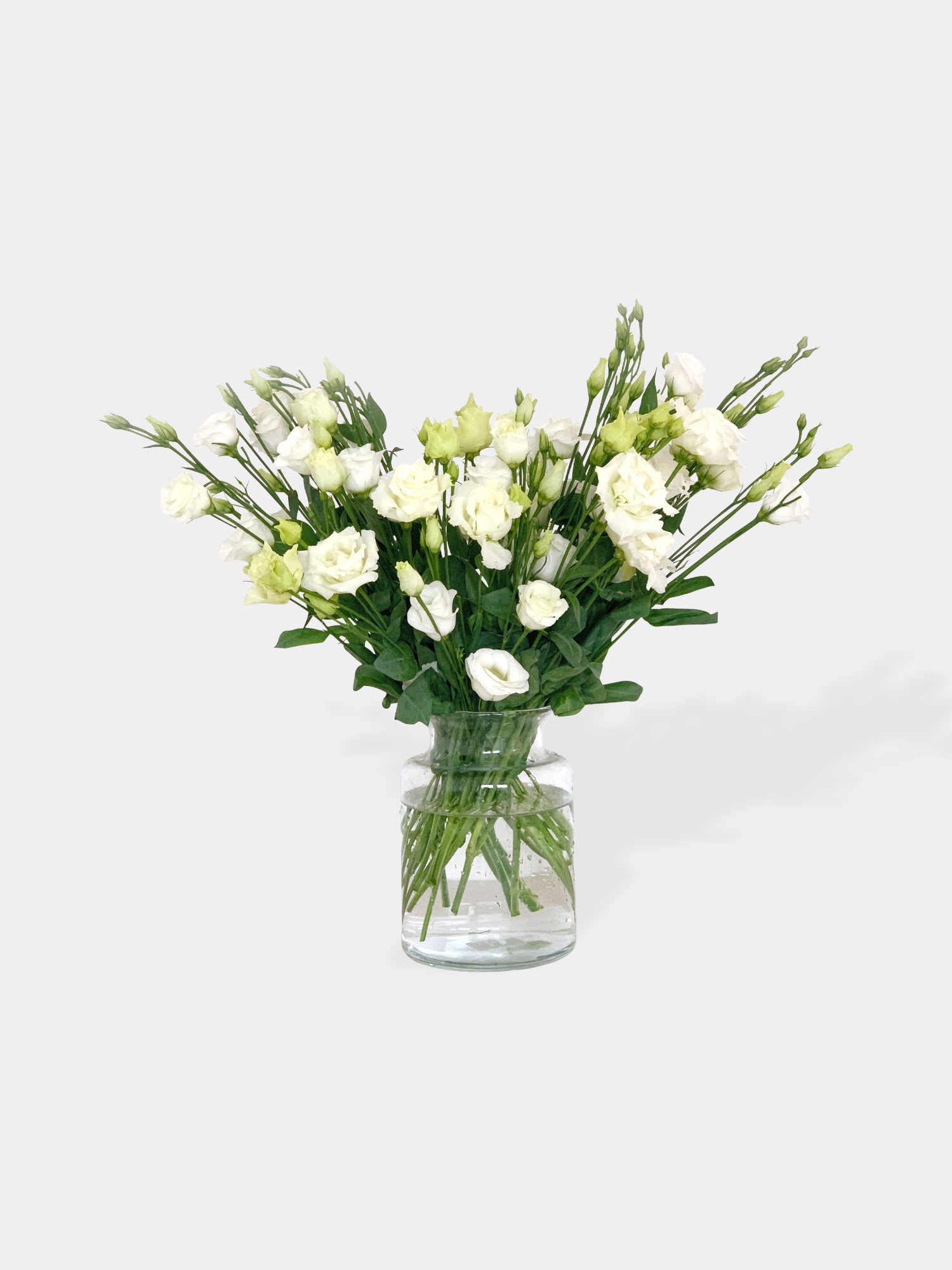
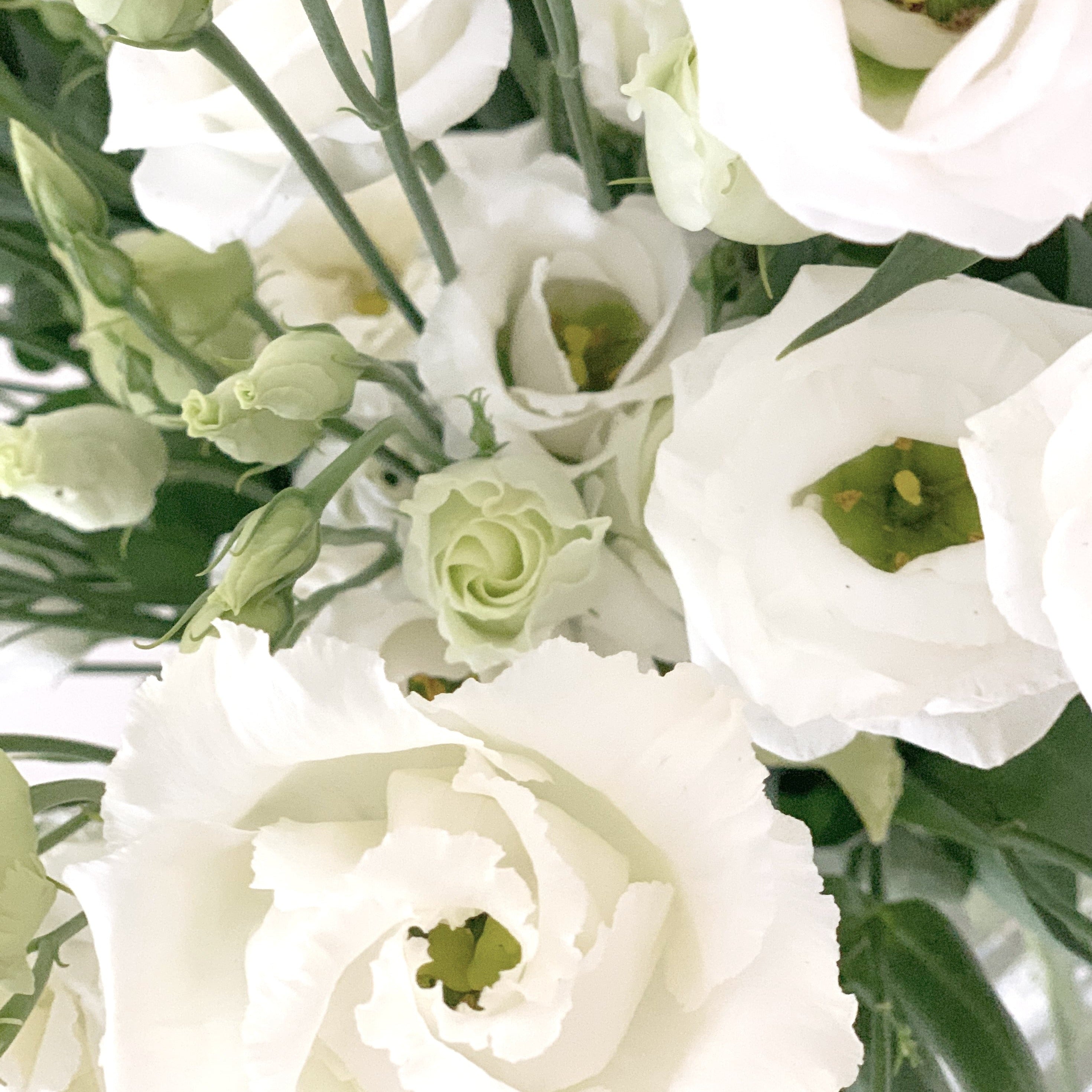
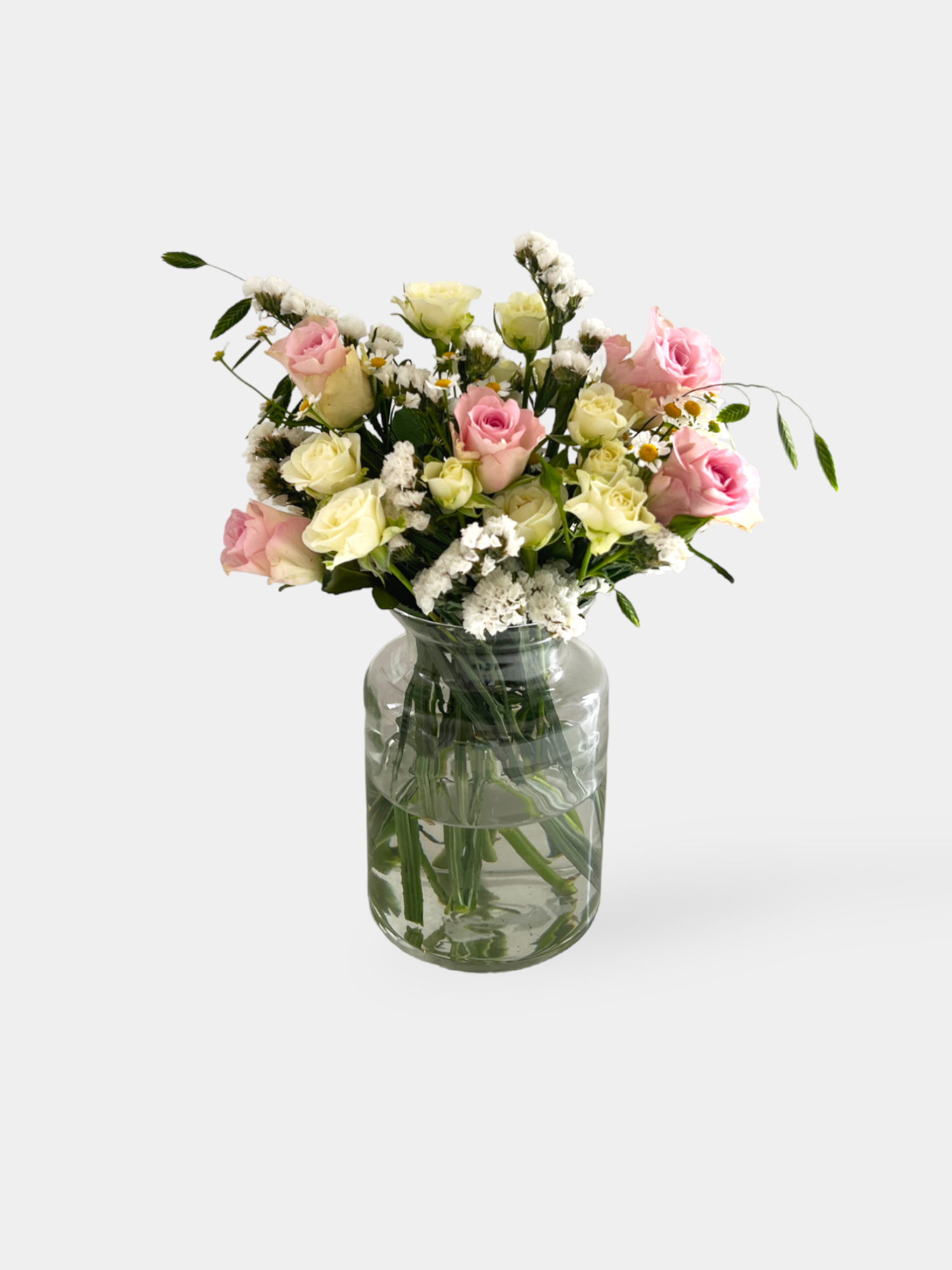
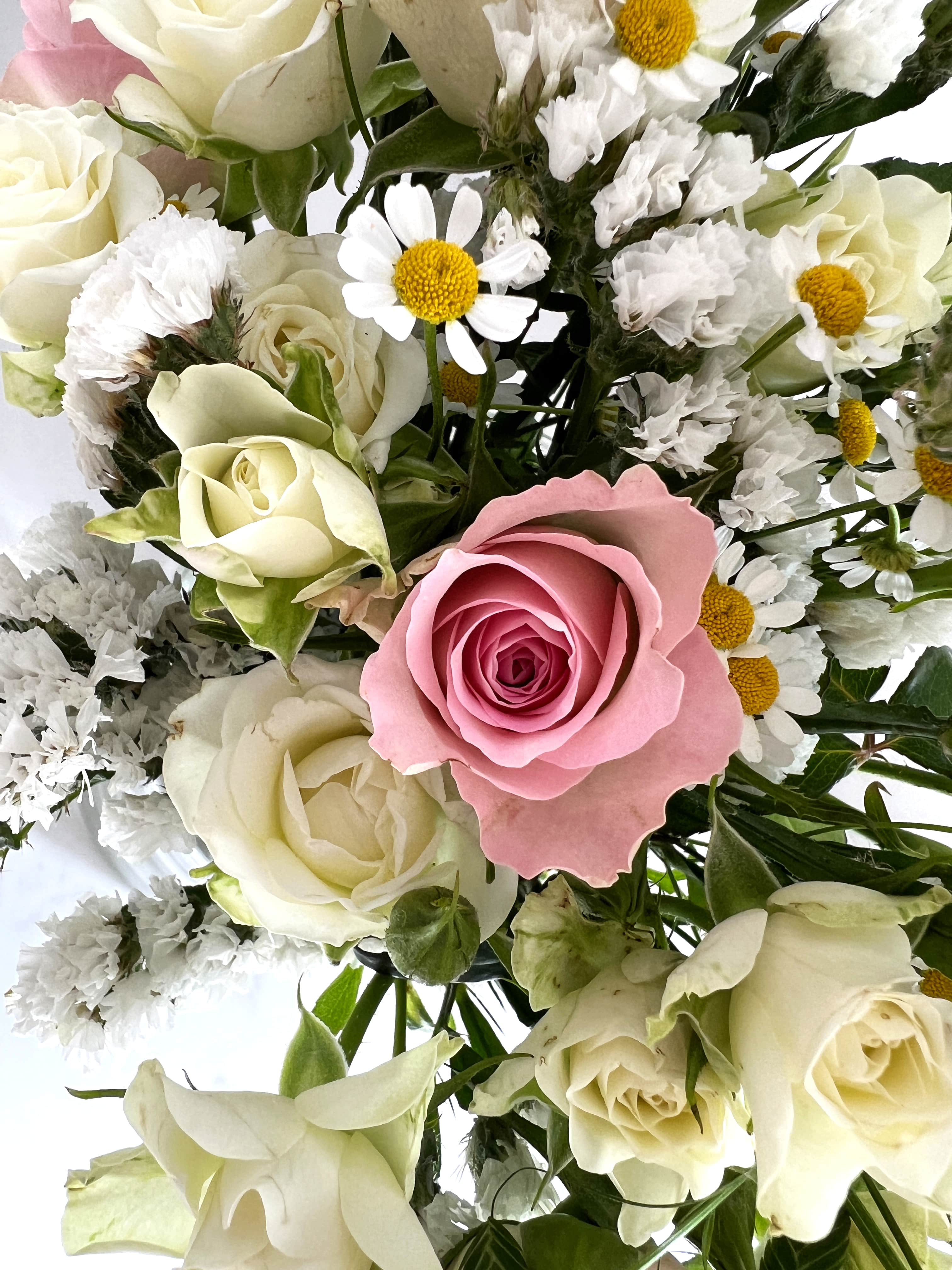
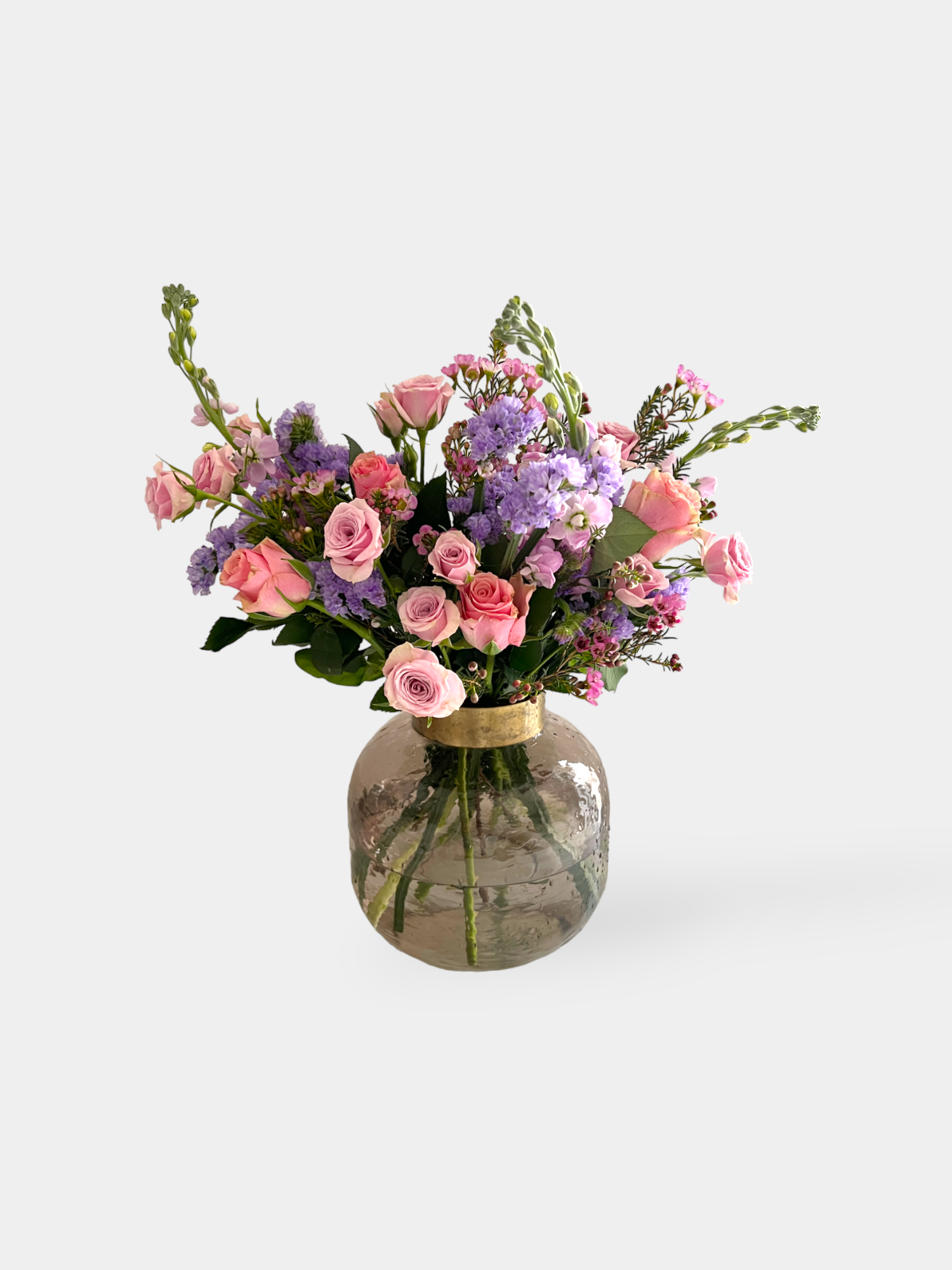
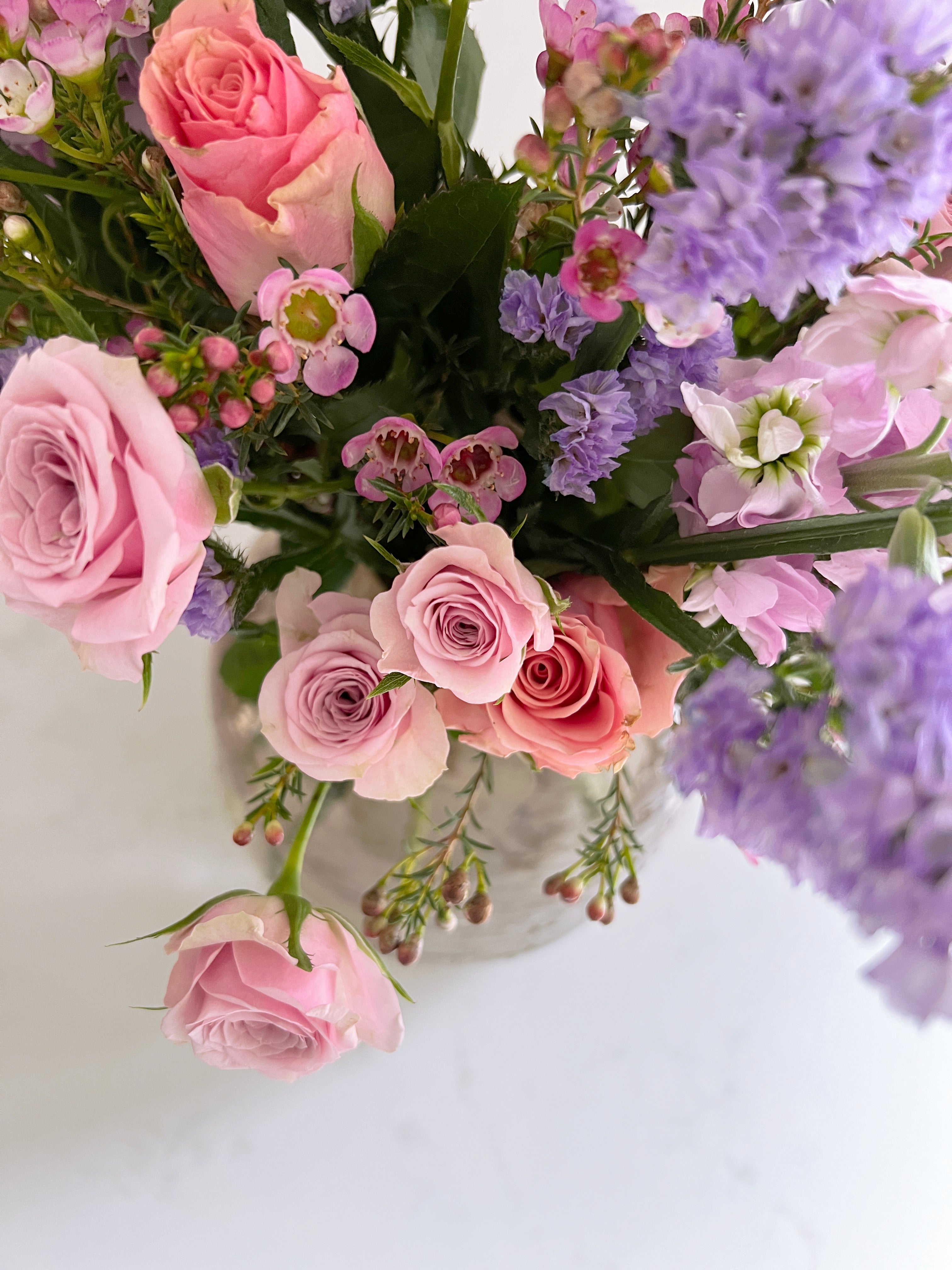
Tool for checking pet safe flowers
Pet Safe Flowers: Every Question UK Pet Owners Are Asking, Answered
If you share your home with a cat or dog, choosing flowers isn't just about colour and scent. Some of the most popular UK bouquet and garden flowers are genuinely dangerous to pets, and most people find out by accident rather than by checking first. This guide answers the questions people search for most often about pet safe flowers, both in the garden and in a vase, so you can plant, buy, or send flowers with confidence.
Want a quick answer for one specific flower? Use our pet safety checker above and type in any flower name.
What flowers are safe for pets?
Roses, sunflowers, freesias, snapdragons, are some flowers that are safe for both cats and dogs. These are the backbone of any genuinely pet safe bouquet, and they cover most of what you'd want for colour, fragrance, and vase life. Zinnias, asters, camellias, and dahlias are also considered pet safe.
None of these need any special handling around a curious cat or dog, beyond the usual common sense of not letting any pet eat large quantities of any plant.
What flowers should I avoid with pets?
Lilies, tulips and gypsophila (baby's breath), are common risks and ones to avoid entirely in a home with cats or dogs. Lilies are in a category of their own: every part of a true lily, including the pollen and the vase water, can cause fatal kidney failure in cats, and treatment only has a good chance of working if it starts within six hours of exposure.
The others range from causing mild vomiting and drooling to more serious effects if a large amount is eaten, but none of them belong in a pet household as a rule of thumb rather than a case by case judgement call.
Are any flowers toxic for dogs?
Yes. Daffodils, foxgloves, and bluebells are the three that most often lead to a dog needing veterinary treatment in the UK. All three contain compounds that affect the heart or cause serious gastrointestinal symptoms, and all three are common in spring gardens, hedgerows, and woodland walks. Tulips, hyacinths, chrysanthemums, gypsophila, hydrangeas, peonies, amaryllis, and cyclamen are also toxic to dogs, though generally with milder effects than the top three.
If your dog has eaten any of these, don't wait for symptoms. Call your vet or Animal PoisonLine on 01202 509000, which is open 24 hours a day, seven days a week.
Are roses safe for dogs and cats?
Yes, completely. All rose varieties are non toxic to both cats and dogs. The only thing to think about is thorns, which can cause a scratch or a sore mouth if a pet chews directly on the stem. Trim the stems short when you arrange them and there's nothing else to worry about. Roses are one of the most reliable premium choices for a pet safe bouquet.
Is lavender safe for dogs?
Lavender is only a mild concern. A dog sniffing or brushing past lavender is completely fine, and it's actually used in some calming pet products for that reason. The caution applies to a dog eating a large amount of it, which can cause an upset stomach because of the linalool it contains. As a garden or vase flower in normal quantities, lavender is considered low risk.
What flowers are 100% cat safe?
No flower is quite "100%" safe if a cat eats an unlimited amount of it, but a set of stems is treated as fully non toxic to cats by every major veterinary reference. Roses, sunflowers, freesias, snapdragons, lisianthus, waxflower, statice, stocks, germini daisies, orchids, veronica, and solidago all fall into this group. If you're building a bouquet specifically for a cat owner, sticking to this list and avoiding lilies, gypsophila, and chrysanthemums entirely is the safest approach.
What flowers can I have in the house with a cat?
The same safe list applies indoors as outdoors: roses, sunflowers, freesias, snapdragons, lisianthus and others are all fine to display in a home with a cat. The one habit worth building regardless of which flowers you choose is keeping vase water fresh, since stagnant water and flower food sachets can cause mild stomach upset if a cat drinks from the vase.
Can I have flowers in my house with a dog?
Yes, as long as you're choosing from the safe list. A dog is more likely than a cat to grab a low vase off a table with an enthusiastic tail, so placing arrangements somewhere stable and out of tail reach is worth doing even with completely safe flowers.
What flowering plants are pet friendly?
Beyond the core cut flower list, pet friendly flowering plants for the home or garden generally include roses, sunflowers, marigolds, snapdragons, zinnias, asters, camellias, and dahlias. These are non toxic or only very mildly irritating, and they cover most of what people want for colour and cottage garden charm without introducing a real hazard.
What flowers in bouquets are toxic to dogs?
Supermarket and budget bouquets very often contain gypsophila, chrysanthemums, or, in spring, tulips and daffodils, even when the label just says "mixed flowers" or "seasonal bouquet." None of these are obvious from a glance, which is exactly why they catch people out. If you're not certain what's in an arrangement, it's worth checking every stem before putting it somewhere your dog can reach. Our pet safety checker makes that quick: type in each flower name and you'll get an instant answer.
What garden flowers are non toxic to dogs?
Roses, sunflowers, marigolds, snapdragons, zinnias, asters, camellias, and dahlias are all non toxic garden flowers for dogs. These give you strong colour and a long flowering season without needing to fence anything off or worry about a dog nosing through a border.
What plants are dog friendly in the UK?
For a UK garden, the reliable dog friendly choices are roses, sunflowers, marigolds, snapdragons, zinnias, asters, camellias, and dahlias, along with lavender in normal garden quantities. These all cope well with the UK climate and don't need any special protection from a dog that likes to explore the borders.
What not to plant in the garden for dogs?
Keep daffodils, tulips, hyacinths, bluebells, foxgloves, azaleas, rhododendrons, and lily of the valley out of any garden a dog has access to. Several of these, particularly foxgloves and azaleas, are genuinely dangerous rather than just mildly upsetting, and a dog that digs is at real risk of unearthing a bulb even from a border it isn't normally interested in.
Which garden flowers are toxic to dogs?
The full list to avoid in a garden used by dogs includes daffodils, tulips, hyacinths, bluebells, foxgloves, azaleas, rhododendrons, lily of the valley, hydrangeas, peonies, cyclamen, and autumn crocus. Foxgloves and azaleas carry the most serious risk, since both can affect the heart. The rest tend to cause vomiting, drooling, or diarrhoea, which is unpleasant but rarely life threatening unless a large amount is eaten.
What flowering bushes are safe around dogs?
Camellias are a genuinely pet safe flowering shrub and a good alternative to azaleas or rhododendrons if you want that same rounded, glossy leafed look in a border. Roses grown as shrubs are also completely safe. Azaleas and rhododendrons themselves should be avoided in any garden a dog has access to, since even a few leaves can cause serious symptoms.
What can I plant in September and October?
Autumn planting is exactly when a lot of the riskiest bulbs go into the ground, so it's worth planning ahead. Daffodil, tulip, and hyacinth bulbs are planted in September and October for a spring display, and all three are toxic if a dog digs them up, whether that's straight after planting or months later when they're flowering. If you want that spring bulb look without the risk, keep those bulbs to areas your dog can't dig in, or lean on pet safe bedding plants like violas and pansies for containers and borders instead. Sunflowers, marigolds, and snapdragons can also be sown now for a display later in the season, depending on the variety.
How to keep a nice garden with a dog?
The easiest approach is to build the garden around the safe list from the start, rather than planting freely and then trying to remember what to fence off. Roses, sunflowers, marigolds, snapdragons, zinnias, asters, camellias, and dahlias give you a genuinely full, colourful garden without a single toxic bulb or shrub in it. Where you do want daffodils or tulips for a spring show, keep them in a raised bed or a part of the garden your dog doesn't have access to, and clear any fallen petals or leaves promptly, since those are far more tempting to a dog at ground level than a flower still on the stem.
Checking a specific flower
The tool above covers the flowers people ask about most, but it isn't exhaustive, and gardens and bouquets vary. If you've got a specific flower in mind, whether it's something you're planting, something in a bouquet you've received, or something you're picking for a friend with a dog or cat, this pet safety checker gives you an instant answer. Just type the name in and you'll get a clear safe, mild risk, or toxic result for both cats and dogs.
For the full detail behind these answers, including symptoms, timelines, and what to do in an emergency, see our complete guides: Flowers Toxic to House Pets Guide, Flowers Safe for Cats and Flowers Safe for Dogs.
If your pet has eaten a flower and you're worried, don't wait for symptoms to appear. Call your vet or Animal PoisonLine on 01202 509000, available 24 hours a day, seven days a week.